
The Role of Community Action in Advancing Climate Resilience
Pen Williams, our workshops manager, reflects on her work outside of the Global Goals Centre on place, community and climate resilience
As COP31 comes to an end without a global agreement, it is easy to feel that we are not making progress on climate action. And it’s easy to forget that we’re part of a community, and a bigger network of people, places and species! The Global Goals are all about issues that should speak to us all, across countries, boundaries and generations.
This year I’ve been very lucky to have the opportunity to reflect on how these connections can help us work to address these goals – although we may not achieve them by 2030, there is still time to make progress. In partnership with the Universities of Bristol and Mumbai I’ve spent time with community groups who are achieving deeply impactful, measurable change for climate resilience.
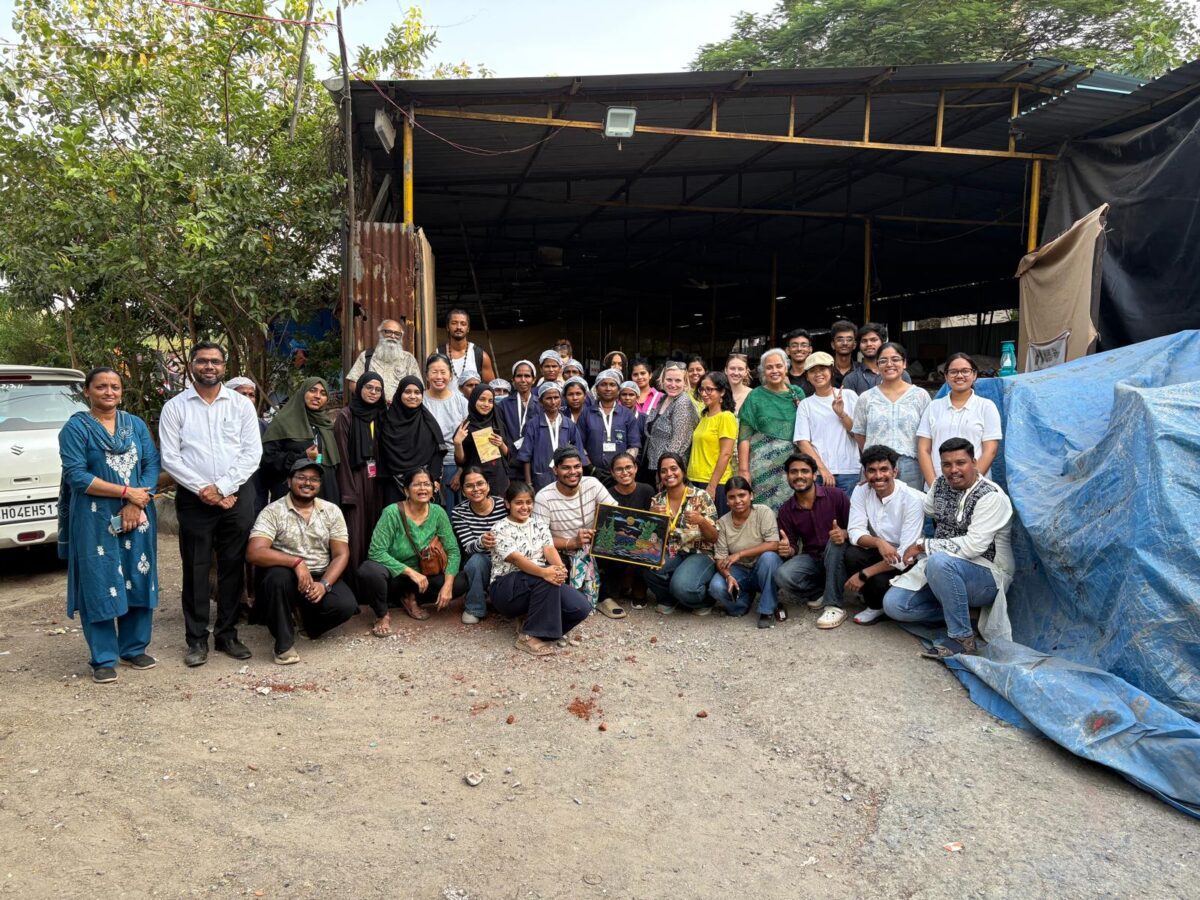
In Mumbai, I saw community groups mapping mangroves, documenting how their livelihoods are affected by plastic pollution and the encroachment of urban ‘development’. I spent time with groups of women who would have been working huge landfill sites picking through litter, now employed in a plastic sorting facility, where this waste is recycled and their children are supported to attend school. Joined up projects that address both the environment and social issues are at the forefront of these community actions.
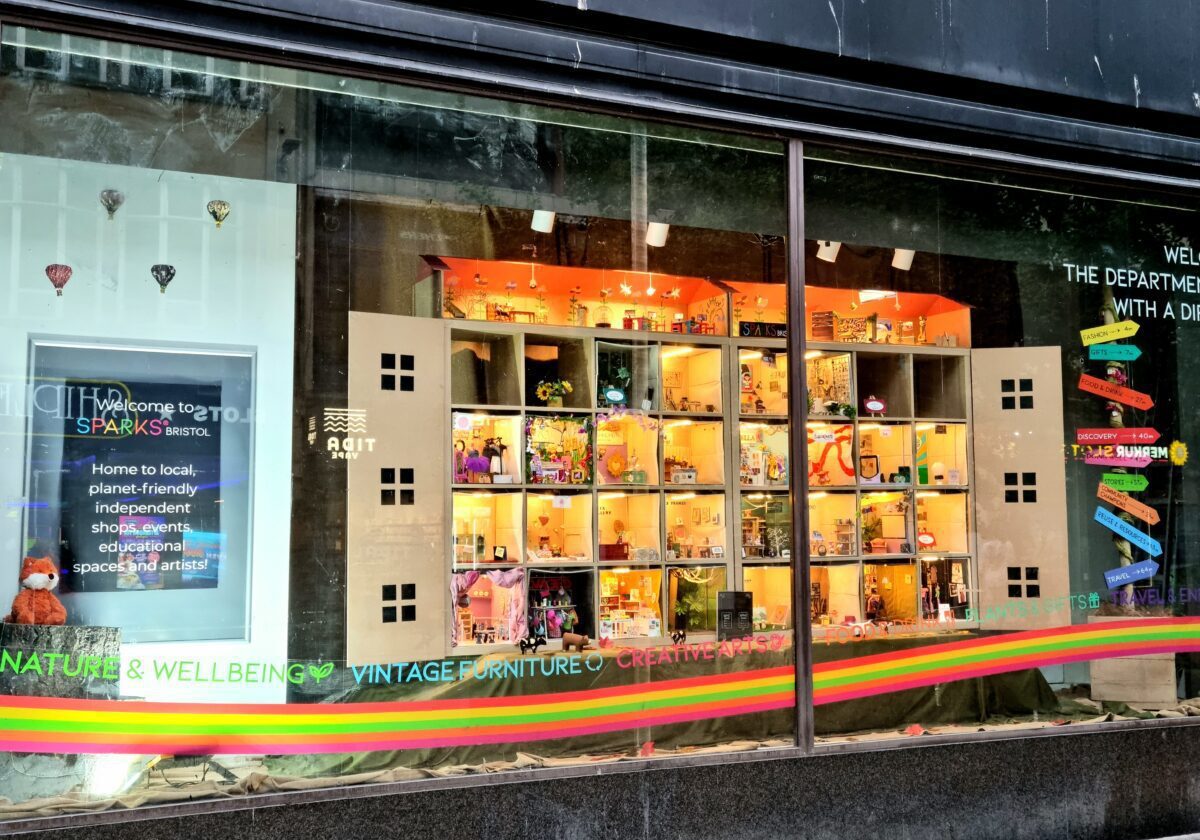
In Bristol, small Community Interest Companies (CICs) which provide employment, fresh produce and community spaces are flourishing thanks to the hard work of people coming together for change. While it is true that our individual actions can make a big difference, whether through our consumer choices, how we travel and how we organise our homes, the power of the collective remains a source of strength, not only in terms of what we can achieve but also how we can support each other as we work to make this necessary and positive change.